Why B2B Marketplaces Keep Reshaping Old Industries
Fragmented, paper-heavy industries are where software creates the most value.
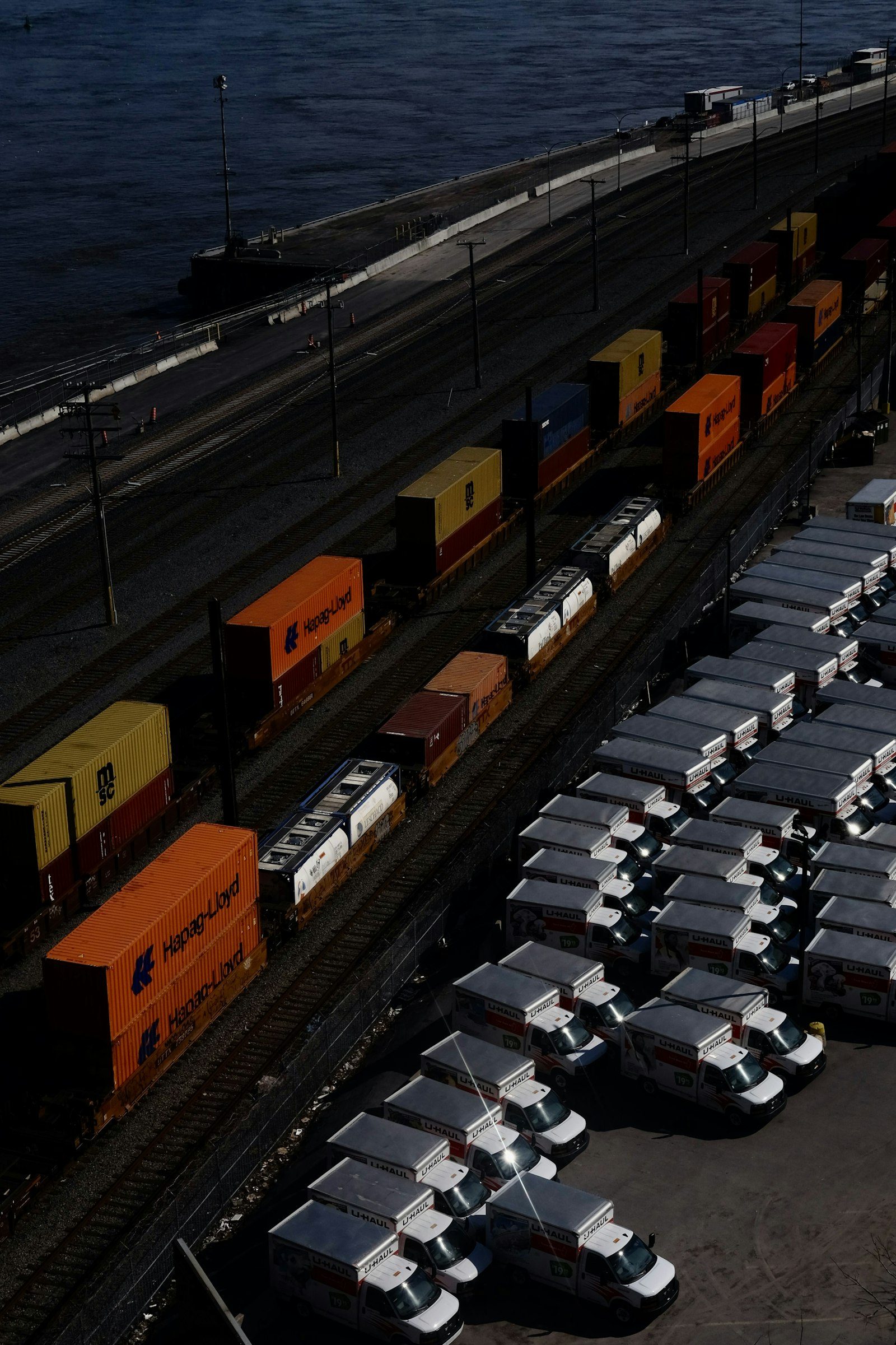
Walk through the back office of an industrial parts distributor and the workflow reveals itself immediately. Reams of paper invoices sit beside manual logbooks, sales representatives negotiate custom pricing over phone lines, and replenishment orders arrive as scanned purchase documents. While consumer retail migrated to digital storefronts decades ago, commercial procurement across building materials, chemicals, and wholesale agriculture largely stayed anchored to manual relationships. This friction is precisely what attracts software platforms.
Legacy supply chains rely on fragmented networks of regional suppliers and buyers who lack access to centralized pricing. Each intermediary takes a margin to compensate for localized inventory holding, credit risk, and product discovery. Where no dominant distributor controls a critical share of the market, transactions remain high in friction and low in speed. Software thrives where this fragmentation creates wide variations in price, availability, and delivery timelines across small geographic radiuses.
The first effective mechanism for reshaping these markets is the software-enabled marketplace model. Rather than attempting to match buyers and sellers cold, operators provide free or low-cost workflow tools to digitize existing business routines. A platform might begin by replacing manual inventory tracking, automated dispatch scheduling, or quote generation software. Once both sides rely on the interface for operational coordination, the platform naturally captures transaction flow without fighting entrenched habits.
The publicly visible pattern suggests that specialized platforms succeed by addressing specific vertical liabilities rather than trying to replicate generalist retail catalogs. In wholesale retail, Faire has built software tools that manage brand discovery and order consolidation for independent shopkeepers. In commercial vehicle wholesale, ACV Auctions developed digital inspection tools to verify physical condition before bidding begins. In both instances, transactional density followed the systemic reduction of transaction uncertainty.
The second operational lever is embedded capital, specifically the underwriting of trade credit. Industrial buyers routinely demand extended payment terms, while smaller suppliers require prompt cash flow to purchase raw inputs. Conventional commercial banks often struggle to evaluate the creditworthiness of small operators in niche sectors. A digital marketplace that monitors continuous order volumes and fulfillment history can underwrite working capital directly inside the checkout flow, removing the principal barrier to wholesale conversion.
The third critical mechanism involves guaranteeing physical settlement through quality inspection and integrated freight. In business commerce, a late delivery or an incorrect material grade can halt an entire manufacturing line or construction project. Marketplaces that endure do not simply match records in a database. They construct standardized grading protocols, integrate specialized logistics carriers, and hold escrow until products clear inspection. Controlling fulfillment accuracy protects the platform from being bypassed once counterparties discover one another.
The most common strategic failure occurs when operators mistake initial transaction volume for durable platform capture. If a marketplace functions purely as an introduction directory, buyers and sellers conduct their first transaction on the platform and then take subsequent orders offline to avoid platform fees. This disintermediation happens whenever the platform fails to provide ongoing utility, such as continuous payment insurance, automated reordering, or workflow compliance, that makes off-platform transacting more hazardous than the commission itself.
Platform architects must also manage entrenched intermediaries who view price discovery as an existential threat. Independent distributors historically maintained profitability by keeping wholesale costs opaque. When marketplaces introduce transparent catalogs, incumbent sales forces frequently discourage buyers from participating. Overcoming this resistance requires platforms to incorporate existing suppliers as marketplace participants rather than cutting them out, allowing regional distributors to monetize excess stock across wider geographic boundaries.
Once transactional density is established, defensibility compounds faster in industrial markets than in consumer ecosystems. Business supply relationships are naturally sticky because supplier switching carries technical qualification burdens, compliance hazards, and operational downtime. A platform that houses a company's purchasing history, preferred supplier terms, and enterprise software integrations becomes embedded in institutional memory. The resulting data asset allows the marketplace to forecast supply crunches and optimize replenishment before inventory shortages occur.
The next era of industrial software will demonstrate that marketplaces are not merely retail portals adapted for corporate procurement. As physical supply chains face regulatory disclosure mandates, climate reporting standards, and localized manufacturing demands, marketplaces will operate as compliance layers. The platforms that dominate traditional sectors will not be those that simply lower transaction fees, but those that absorb the legal, logistical, and financial complexity inherent in moving heavy commercial assets around the world.