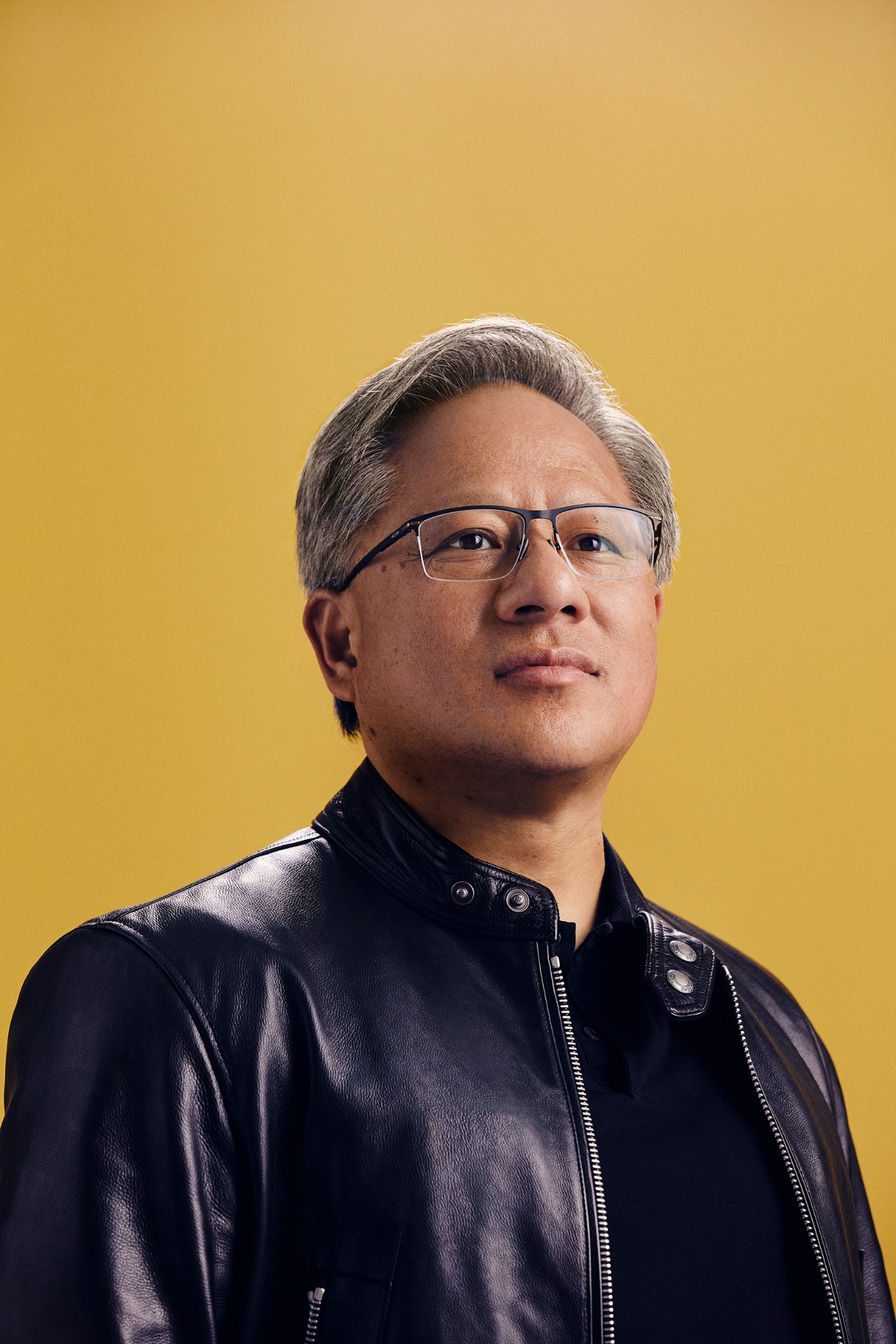
Satya Nadella
How Microsoft Rebuilt Its Growth Engine
A study in refocusing a large company around cloud computing and partnership rather than defence of legacy products.

The decision to release core productivity applications on competing mobile platforms signaled a fundamental break from legacy hardware-software bundling. For years, the enterprise playbook had treated software applications as defensive moats designed to compel adoption of proprietary operating systems. By unbundling Office from Windows and optimizing tools for rival platforms, Microsoft prioritized customer daily engagement over ecosystem lock-in, demonstrating that utility across diverse devices created more durable commercial value than artificial distribution constraints.
Satya Nadella stepped into leadership with a background in server infrastructure and enterprise cloud systems, giving him a distinct operational perspective on where value was migrating. Rather than treating cloud storage and computing power as supportive tools for desktop licenses, the publicly visible pattern suggests he viewed scalable infrastructure as the primary engine for future enterprise relationships. This reorientation transformed the company from a periodic licensing vendor into an essential utility provider embedded within client operations.
For executive leadership, the first actionable mechanism in this model is decoupling high-demand applications from legacy delivery channels. When enterprise leaders evaluate product performance through the narrow lens of how well it defends an older cash cow, they forfeit growth in adjacent ecosystems. Nadella demonstrated that opening high-margin software to competing environments creates a broader surface area for customer engagement, which ultimately expands the total addressable market far beyond the boundaries of any single proprietary platform.
A second critical framework involves realigning internal incentives around consumption rather than transaction volume. Traditional software licensing rewarded sales teams for upfront contracts, regardless of whether customers ever deployed the software. Microsoft restructured commercial incentives to track active workload utilization and cloud consumption. When revenue realization directly mirrors real operational usage, product engineering and customer support are forced to focus on ongoing software relevance rather than closing periodic billing cycles.
The third decision framework centers on asymmetric partnering, even with perceived rivals and open-source ecosystems previously viewed as competitive threats. By embracing Linux within cloud data centers and opening developer environments to cross-platform tooling, Microsoft turned former points of friction into channels for compute consumption. Rather than attempting to control every layer of the technology stack, the company positioned its cloud substrate as the neutral foundation capable of hosting diverse workloads across global industries.
This structural preference for distribution over insularity explains the subsequent integration of frontier artificial intelligence into enterprise products. Rather than building every foundational research capability internally from scratch, the leadership team secured commercial access to advanced machine learning systems and integrated them into existing productivity suites and developer platforms. This strategy treated artificial intelligence not as an isolated novelty, but as an operational layer enhancing the utility of already entrenched enterprise software.
Underpinning these strategic pivots was a deliberate shift in operational governance from episodic milestone releases to continuous telemetry. Engineering teams previously operated on extended development horizons, insulated from immediate client feedback until packaged software shipped. Transitioning to cloud infrastructure required real-time performance tracking, immediate security patches, and continuous feature updates, creating an operational cadence that matched the agility of cloud-native competitors while retaining the scale of a traditional corporate vendor.
When legacy incumbents attempt similar transformations, the process commonly breaks down during capital and resource reallocation. Established business units that generate substantial immediate cash flows frequently fight against emerging divisions that offer higher long-term growth but lower initial margins. If leadership hedges its bets by protecting declining product lines, middle management receives conflicting incentives, resulting in underfunded innovation and defensive compromise that leaves the organization vulnerable to faster, unencumbered market entrants.
Sustaining this enterprise cloud model introduces distinct organizational risks, particularly regarding technological autonomy. Heavy reliance on specialized external partnerships for core artificial intelligence models can create structural dependencies that limit proprietary differentiation. If underlying computational models become widely standardized across competing enterprise suites, the software distributor risks losing its technological edge, forcing it to compete primarily on sales distribution efficiency and interface convenience rather than proprietary intellectual property.
The ultimate viability of this growth engine will be measured by its resilience as modern enterprise computing shifts toward autonomous software agents and commoditized foundation models. Success will no longer depend merely on migrating legacy compute workloads to the cloud, but on proving that enterprise workflows deeply augmented by artificial intelligence can generate verifiable productivity gains for buyers who are increasingly scrutinizing the recurring costs of ubiquitous business software subscriptions.