Supply Chains Became a Strategy Decision
Sourcing choices now sit alongside pricing and product on the executive agenda.
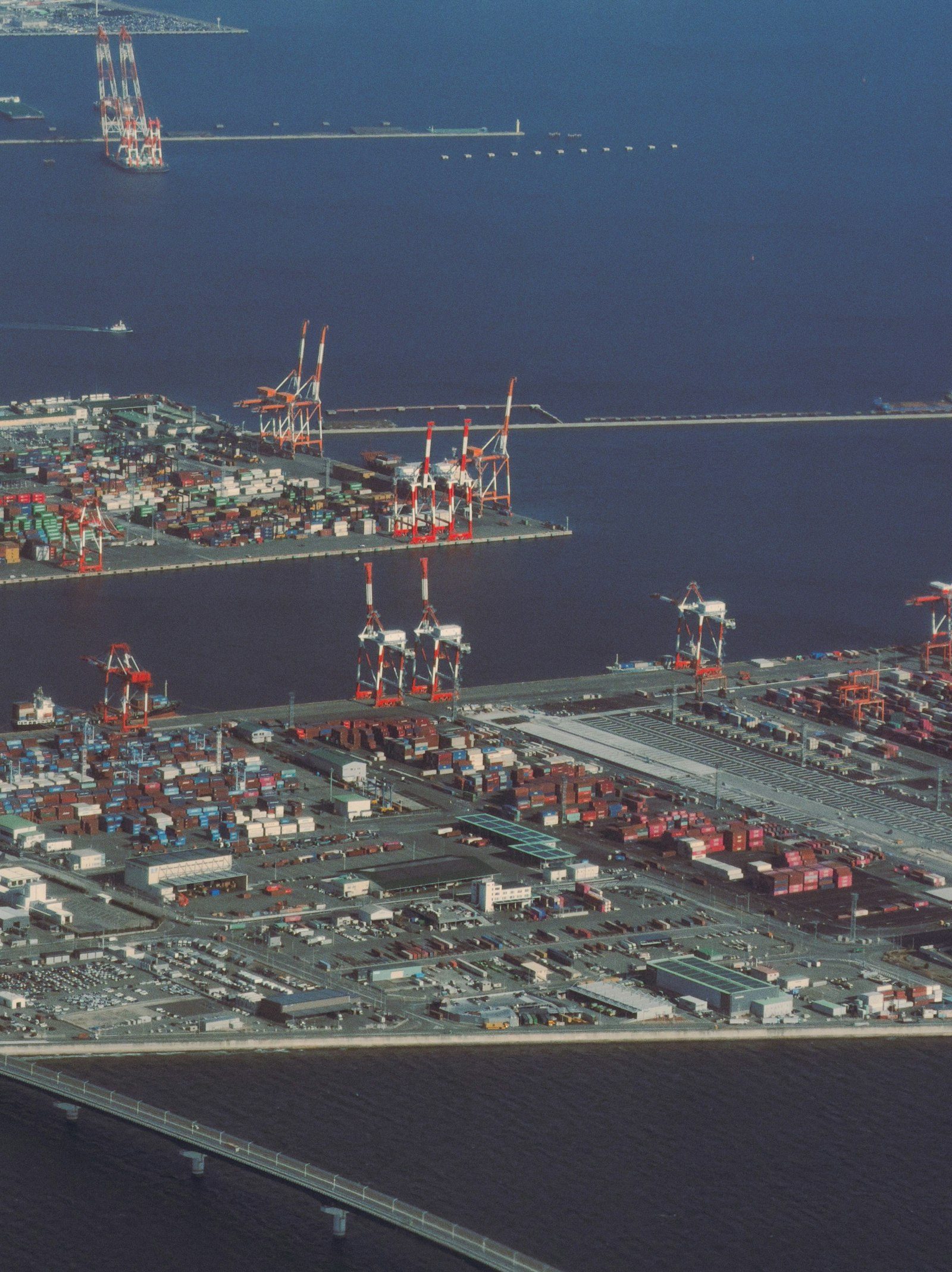
Boardroom decks historically relegated freight lanes, supplier locations, and warehouse leases to appendix tables beneath operating expenses, leaving prime discussion time for product roadmaps and pricing tiers. In contemporary manufacturing, directors routinely examine supply networks before approving new product lines. A company can design an exceptional device or formulate an advanced chemical, but the enterprise stalls completely if a single specialized valve or connector cannot reach the assembly facility on schedule.
Sourcing decisions have shifted from narrow procurement tactics into core competitive strategy. For decades, the dominant mandate was straightforward: drive unit costs down by consolidating purchase volumes with the lowest bidder, regardless of geographic concentration. That model assumed stable maritime routes, open borders, and predictable lead times. When friction entered the global trading system, businesses discovered that the cheapest per-unit component often produces the most expensive plant shutdowns when supply lines snap.
To navigate this reality, executives must deploy rigorous structural mechanisms. The first framework centers on bill-of-materials segmentation by criticality rather than spend volume. Low-value items like custom fasteners, proprietary adhesives, or specialized microcontrollers often pose catastrophic failure risks if interrupted. Operational leaders must categorize every input by ease of substitution, lead-time elasticity, and single-source exposure, reserving deep multi-sourcing and capital investments specifically for the components that cannot be replaced on short notice.
The automotive sector offers a clear illustration of this operational discipline. Toyota has long maintained visibility deep into its tier-two and tier-three supplier networks, identifying secondary fabricators that supply essential subcomponents to primary vendors. By tracking dependencies several layers below direct contractors, the company can anticipate bottlenecks long before an assembly plant runs dry, proving that supply chain intelligence must reach far past direct invoices to be strategically effective.
A second actionable mechanism is the regional split model, balancing low-cost distant manufacturing against agile nearshore capacity. Under this design, an enterprise sources predictable, baseline demand from cost-effective offshore hubs while maintaining secondary capacity in neighboring markets to handle demand surges or unexpected shipping interruptions. While nearshore production carries higher nominal labor rates, the blended network lowers total inventory carrying costs and shields the business from expensive expedited transit fees.
The third framework involves decoupling inventory policy from rigid just-in-time orthodoxy. Rather than holding zero buffer stock across the entire operation, modern operators maintain strategic reserves of long-lead raw inputs while keeping final assemblies strictly lean. Storing base materials consumes less working capital and physical space than holding finished goods, yet it preserves manufacturing continuity when primary freight corridors face sudden delays or customs inspections slow down cargo movement.
Strategic procurement also requires bringing operations leaders into early product design reviews. When engineering teams specify widely available, standardized components early in development, they expand future sourcing options. Conversely, creating unnecessary custom geometries or proprietary specifications locks an enterprise into narrow vendor relationships for the entire lifecycle of the product, stripping procurement teams of leverage and exposing the company to unhedged supply concentration.
The most common failure mode occurs when management overreacts to disruption by hoarding inventory indiscriminately. Spooked by component delays, executives often authorize large purchase orders across all categories without evaluating obsolescence risks or balance sheet constraints. This locks vital cash into sluggish stock, strains warehouse capacity, and creates write-down liabilities when customer preferences shift. Redundancy is an analytical discipline that targets specific points of failure, not an excuse to accumulate idle working capital.
Looking ahead, organizations that treat physical distribution and raw material procurement as administrative functions will struggle against competitors who build resilient operational architectures. The global trade environment will reward firms that design products around flexible supply realities, measure risks beyond direct vendor relationships, and price logistics fragility directly into margin targets. Sourcing architecture is no longer back-office maintenance; it is the physical foundation that dictates whether a business can execute its commercial ambitions.